
5 Common Myths About Concrete Cracking Debunked


Introduction to Concrete Cracking Myths
Concrete is one of the most widely used construction materials due to its strength and durability. However, myths about concrete cracking often lead to misunderstandings. In this post, we'll debunk five common myths about concrete cracking, helping you understand the reality behind the misconceptions.
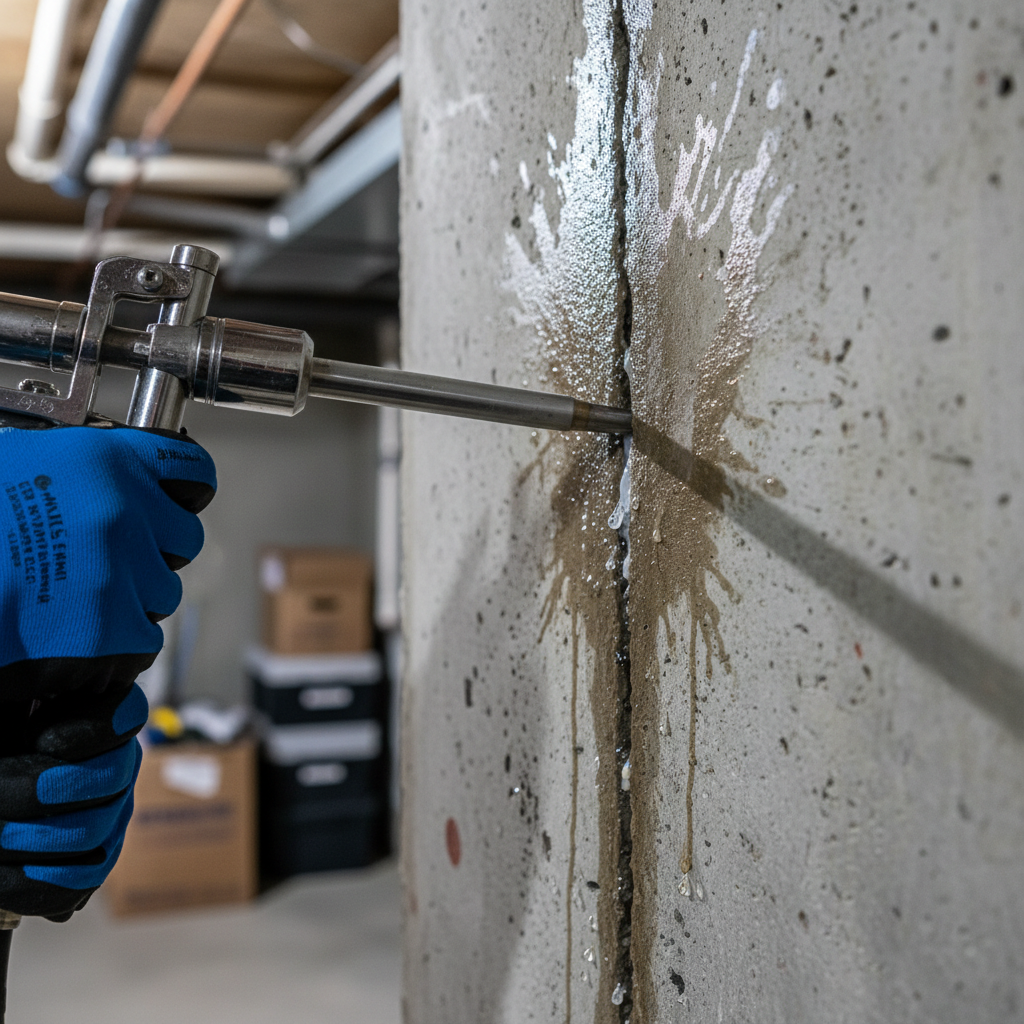
Myth 1: Only Poor Quality Concrete Cracks
One of the most prevalent myths is that only low-quality concrete cracks. In reality, all concrete has the potential to crack. Even high-quality concrete can develop cracks due to environmental factors, improper installation, or natural settling. The key is to manage and minimize cracking through proper techniques and materials.
Myth 2: Cracking Indicates Structural Failure
Another common belief is that any crack in concrete signifies structural failure. While some cracks can be problematic, most are simply cosmetic and do not impact the structural integrity of the concrete. Understanding the type and cause of the crack is essential in determining whether it poses a threat.
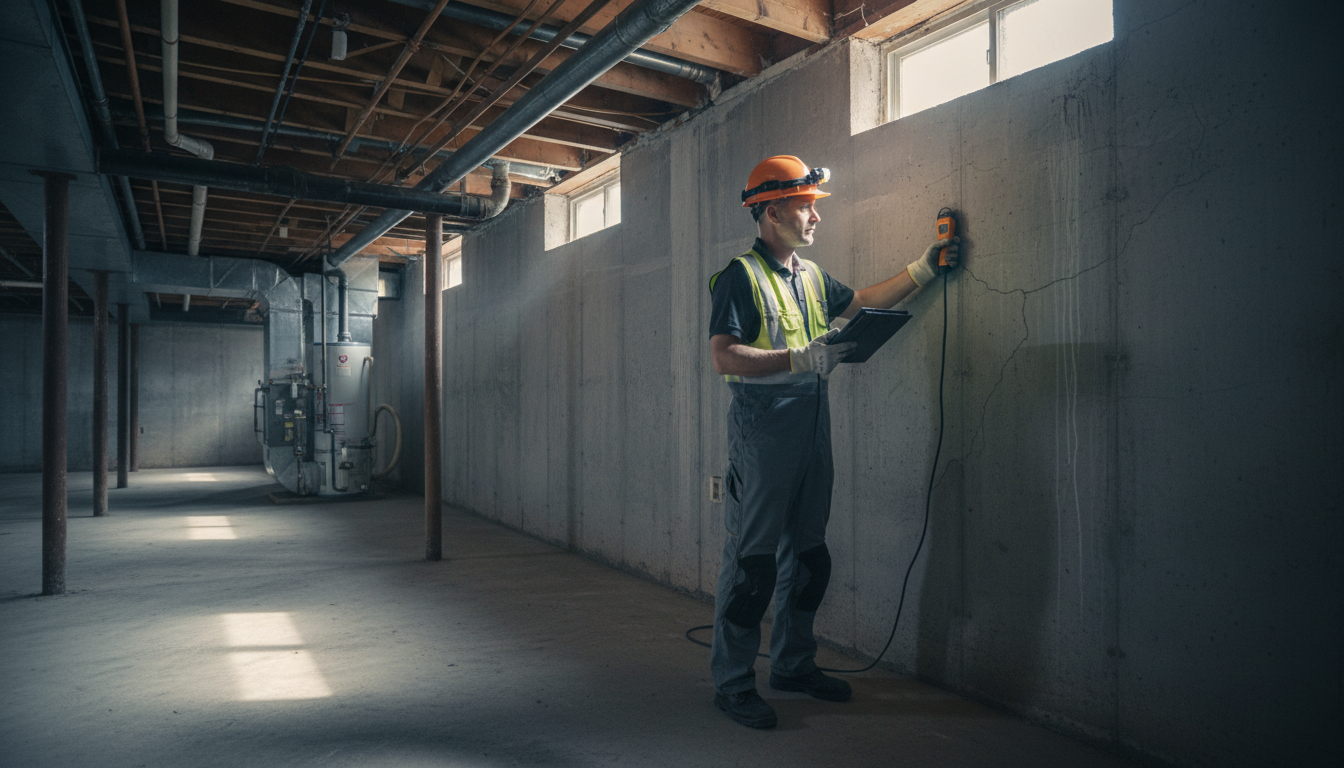
Causes of Concrete Cracking
Myth 3: Concrete Cracks Are Always a Result of Poor Installation
Improper installation can lead to cracking, but it's not the sole cause. Factors such as temperature fluctuations, moisture levels, and even the size of the concrete slab can contribute to cracking. Proper planning and installation can mitigate these risks, but they cannot eliminate them entirely.
Myth 4: All Cracks Can Be Prevented
It's a common misconception that with the right techniques, all concrete cracks can be avoided. While certain methods can reduce the likelihood of cracking, it's impossible to prevent all cracks. Natural forces like ground movement and weather changes are unavoidable and can lead to cracking over time.
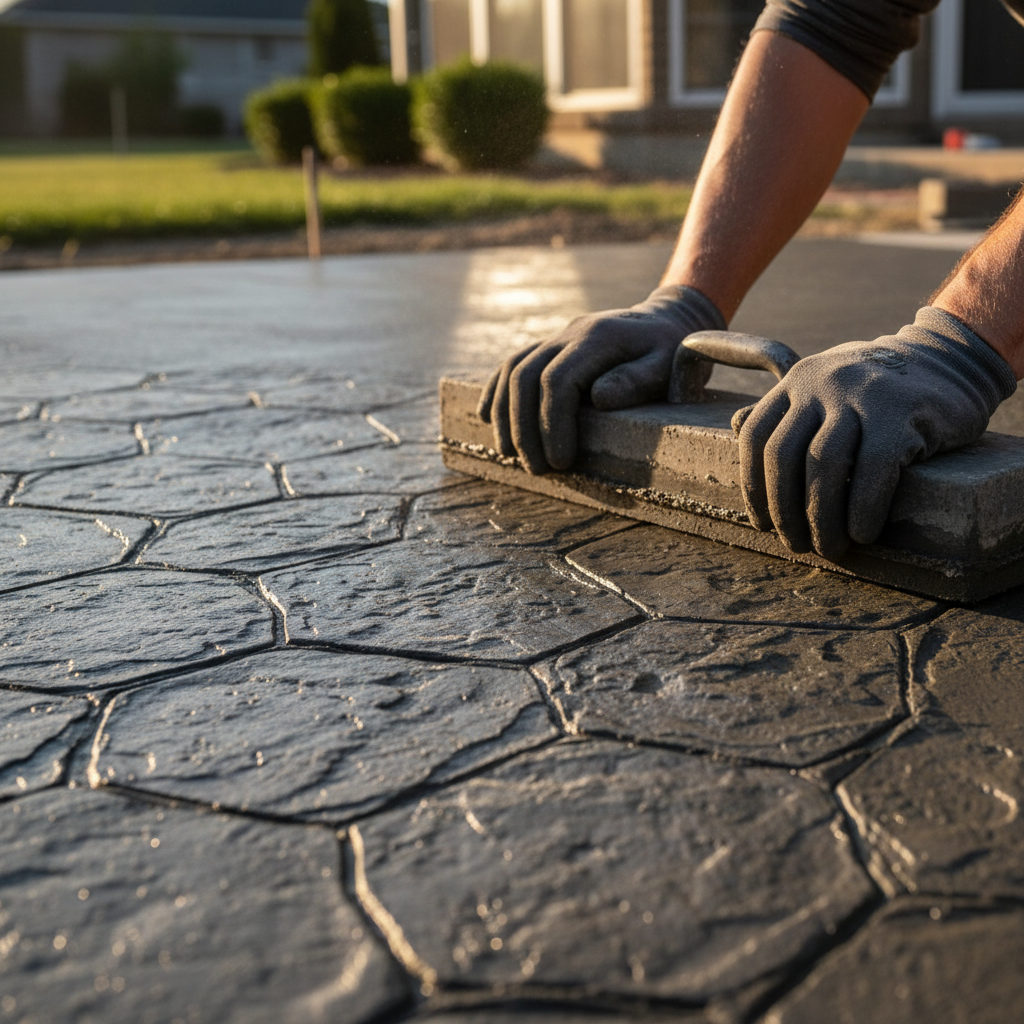
Addressing Concrete Cracks
Myth 5: Sealing Cracks Is a Permanent Solution
Sealing cracks is often seen as a permanent fix, but this is not always the case. While sealing can help prevent moisture from entering and causing further damage, it doesn't address the underlying cause of the crack. Regular maintenance and monitoring are essential to ensure long-term durability.
By understanding the truth behind these myths, homeowners and builders can better manage and maintain concrete structures. Knowledge and proper techniques are the keys to minimizing the impact of concrete cracking.
Remember, cracking is a natural part of concrete aging. With the right approach, it can be managed effectively, ensuring the longevity and stability of your concrete surfaces.