
Expert Advice: Preventing Common Concrete Cracks


Understanding Concrete Cracks
Concrete is a durable and versatile building material, but even the most expertly laid concrete can develop cracks over time. Understanding why these cracks occur is the first step in preventing them. Cracks can be caused by various factors, including temperature fluctuations, improper mixing, and foundational shifts. By addressing these issues early, you can maintain the integrity of your concrete surfaces.
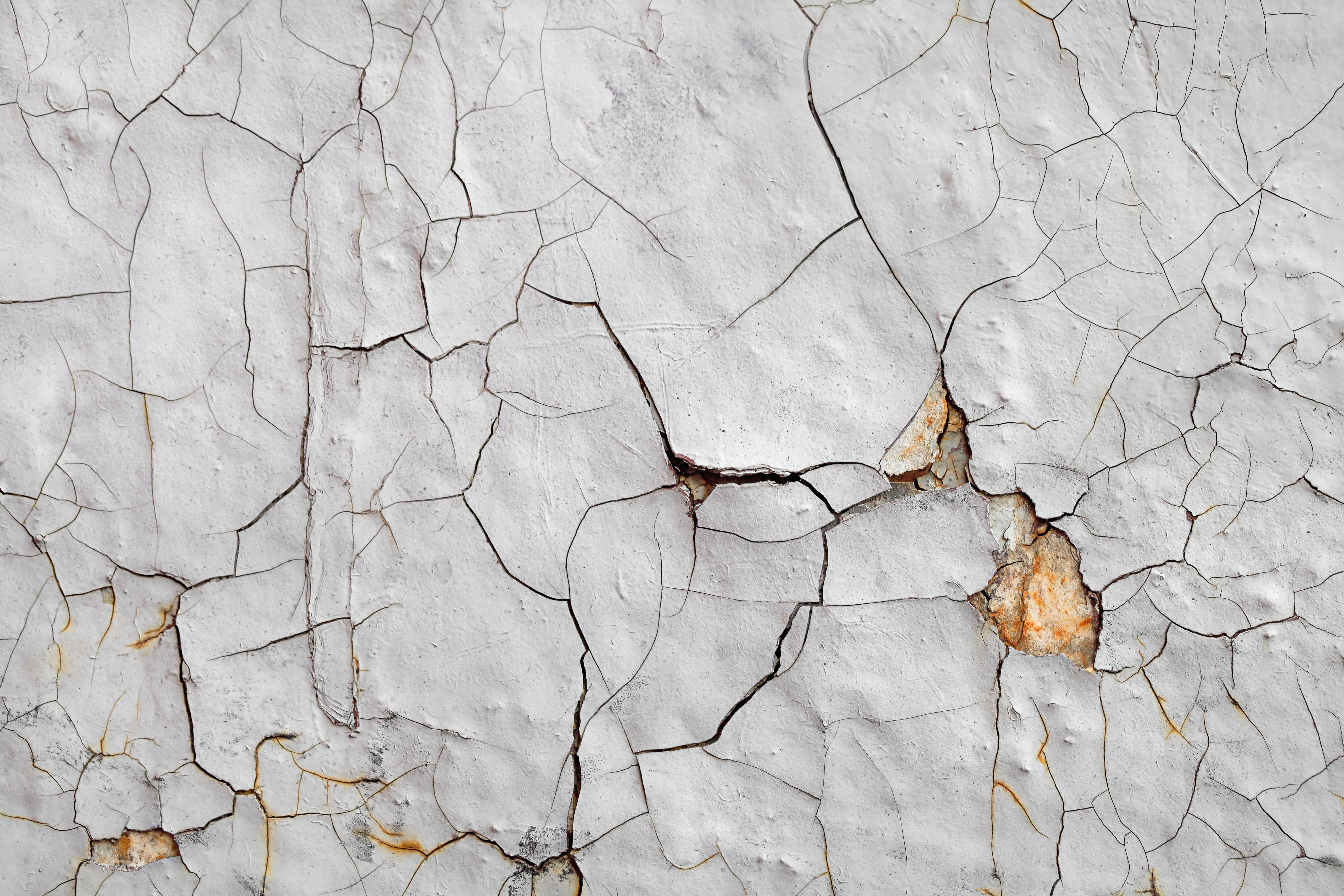
Causes of Common Concrete Cracks
Several factors contribute to the development of concrete cracks. The most common causes include:
- Thermal Expansion: Temperature changes cause concrete to expand and contract, leading to cracks.
- Settlement: If the ground beneath the concrete settles unevenly, it can cause cracking.
- Overloading: Excessive weight on the concrete surface can result in stress cracks.
Expert Tips to Prevent Cracks
Preventing cracks in concrete requires careful planning and attention to detail. Here are some expert tips to help you avoid common pitfalls:
- Proper Curing: Ensure that concrete is cured correctly by maintaining adequate moisture levels, which prevents premature drying and cracking.
- Use of Control Joints: These are pre-planned cracks that allow for controlled expansion and contraction.
- Quality Materials: Always use high-quality concrete mixes to prevent weaknesses in the structure.
Regular Maintenance and Inspection
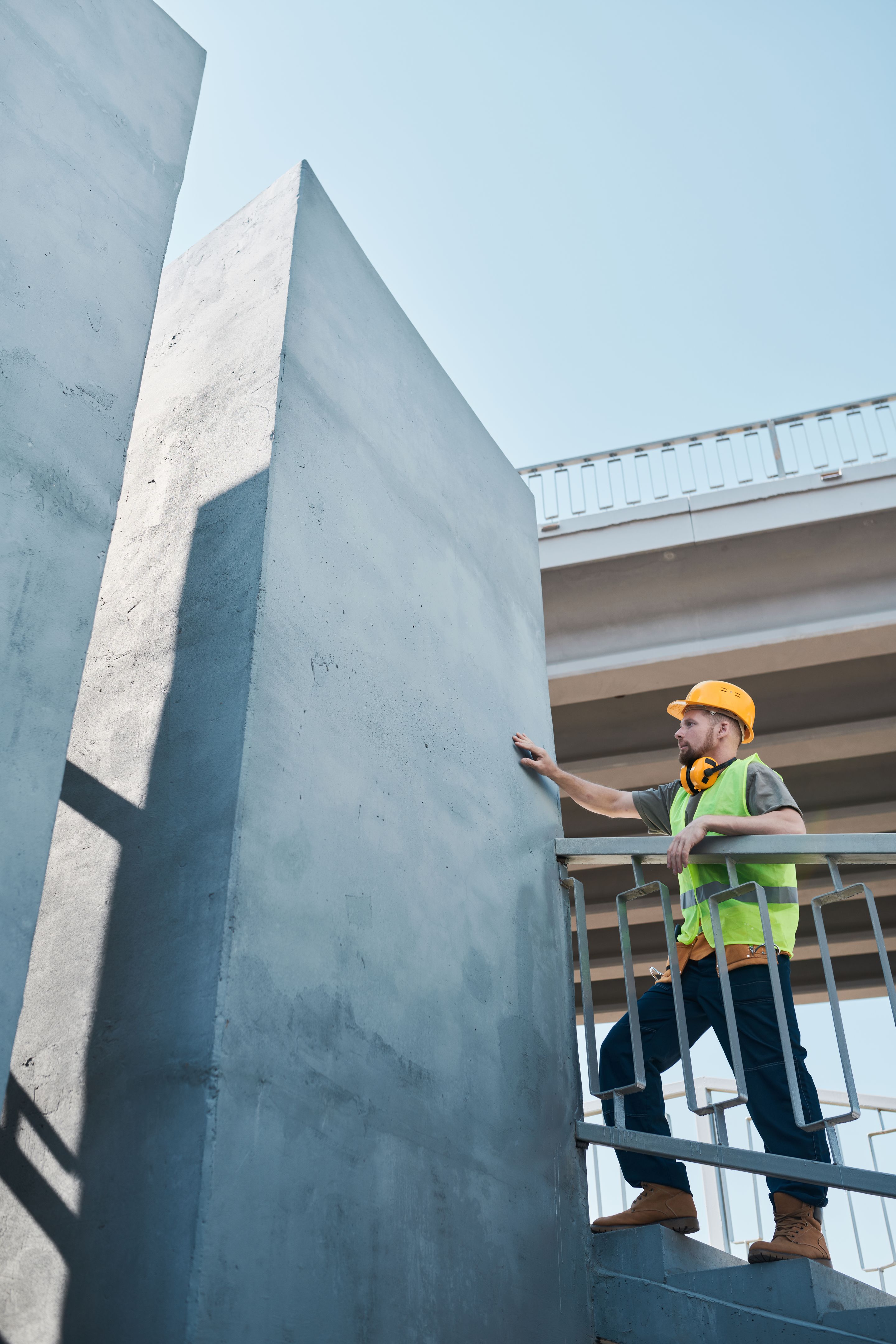
Regular maintenance is crucial in preventing cracks from becoming a significant problem. Routine inspections can help identify early signs of cracking, allowing for timely interventions. Sealing small cracks early can prevent them from expanding and causing more considerable damage.
Additionally, keep an eye on your concrete surfaces after severe weather events, as these can exacerbate existing issues or create new ones. By staying vigilant, you can address problems before they escalate.
Repairing Existing Cracks
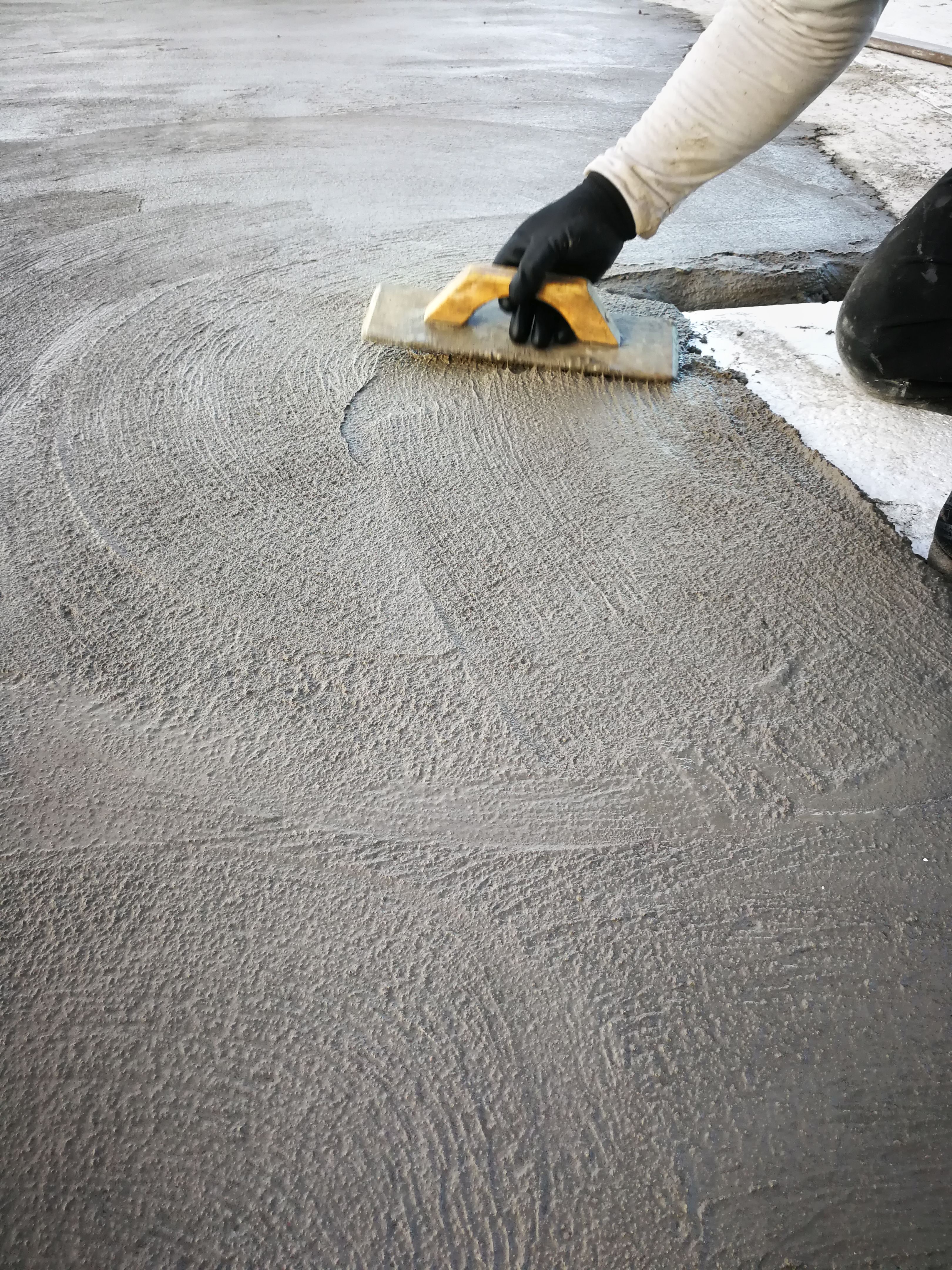
If cracks have already developed, it's important to repair them promptly to avoid further deterioration. Depending on the severity of the crack, different methods may be employed, such as epoxy injections for structural cracks or sealants for smaller, non-structural ones.
Consulting with a professional is often the best course of action to ensure that repairs are done correctly and safely. A skilled contractor can assess the situation and recommend the most effective solutions.
Conclusion
Preventing common concrete cracks involves understanding their causes, implementing proper preventive measures, and conducting regular maintenance. By following expert advice and addressing issues promptly, you can extend the life of your concrete surfaces and maintain their aesthetic appeal.
Remember, a proactive approach is always more cost-effective than dealing with extensive repairs down the line. Keep these tips in mind, and your concrete structures will remain strong and durable for years to come.