
Preparing Your Property for Winter: Concrete Care Tips


Understanding the Impact of Winter on Concrete
As temperatures drop, your property’s concrete surfaces face unique challenges. Cold weather can cause concrete to crack, spall, or become uneven, leading to costly repairs. Being proactive with maintenance can save you time and money in the long run. Here’s how you can prepare your concrete for the winter months.
Inspect for Existing Damage
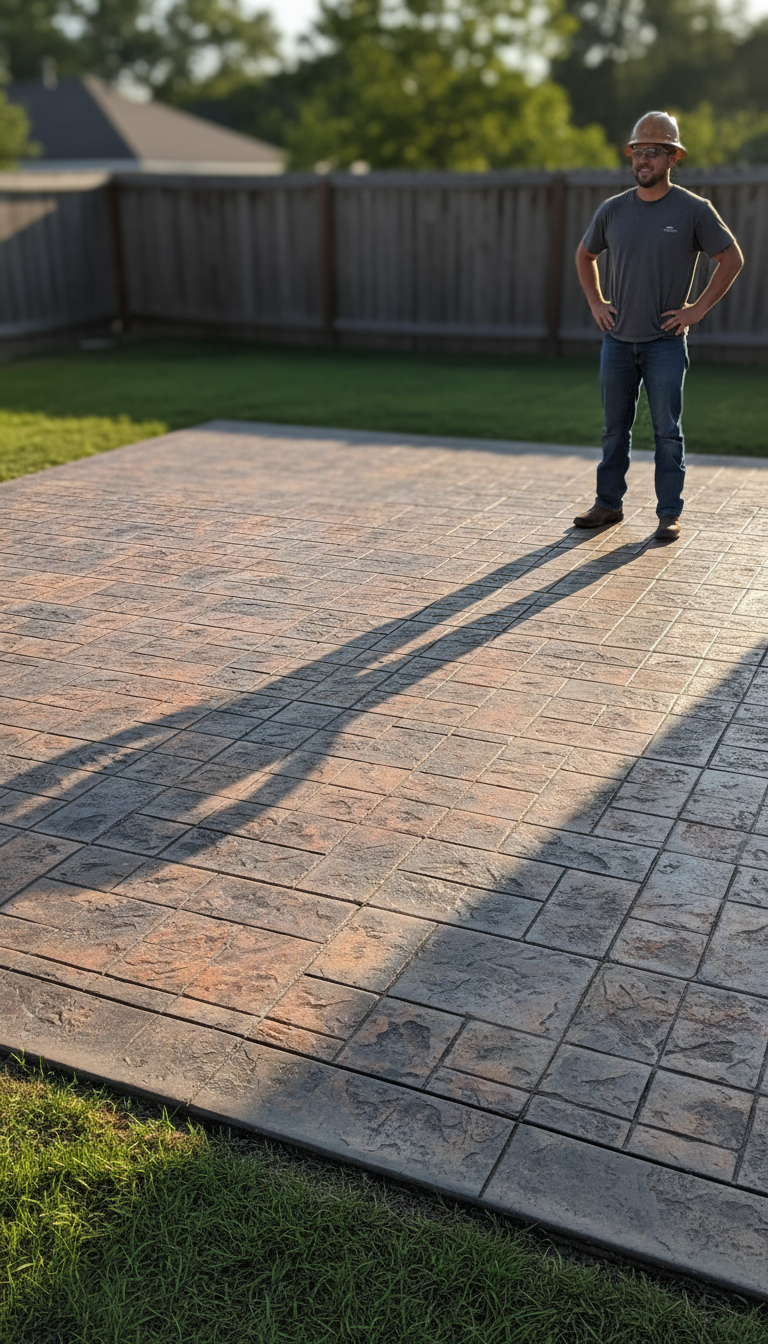
Before winter sets in, thoroughly inspect all concrete surfaces around your property. Look for cracks, chips, or any signs of wear. Addressing these issues now can prevent them from worsening under the stress of freezing and thawing cycles. Small cracks can often be repaired with a concrete patching compound, while larger issues may require professional attention.
Seal Your Concrete
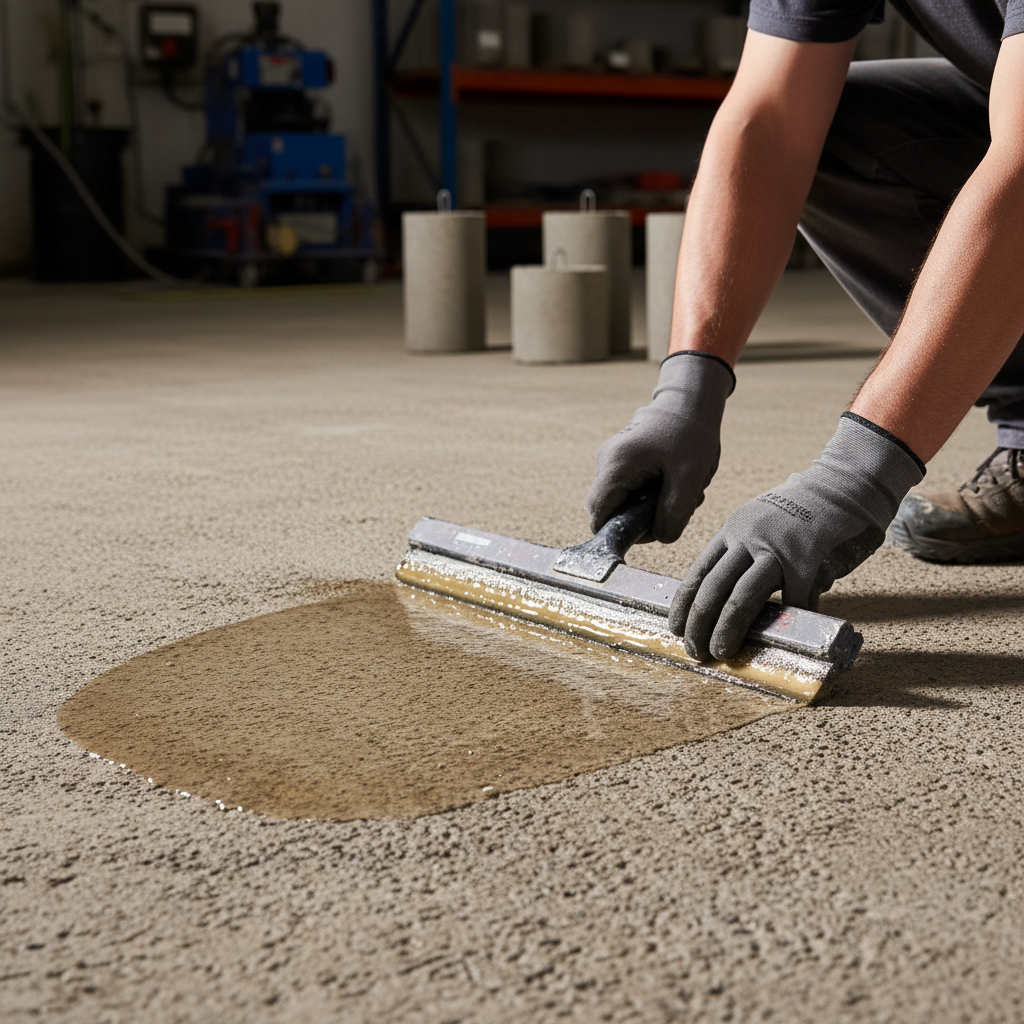
Sealing concrete is one of the best ways to protect it from winter damage. A good sealant acts as a barrier against moisture, preventing water from seeping into tiny cracks and expanding when it freezes. Choose a high-quality, penetrating sealant for best results, and apply it on a dry day when temperatures are above 50°F for optimal adhesion.
Regular Maintenance and Cleaning
Keeping your concrete clean is crucial for winter preparation. Debris, dirt, and stains can affect its durability and appearance. Use a pressure washer or a stiff brush with mild detergent to clean the surfaces. Make sure to remove any oil or grease stains as these can cause the concrete to become slippery when wet.
Use De-Icers Cautiously
While de-icers help prevent ice buildup, they can also damage concrete. Avoid products containing ammonium nitrates and ammonium sulfates, which can deteriorate the surface. Instead, opt for sand or kitty litter for traction, and use calcium chloride or magnesium chloride-based de-icers sparingly.

Consider Protective Coverings
For areas with heavy snowfall, consider using protective coverings like mats or tarps. These can shield your concrete from snow and ice, reducing the risk of damage. Ensure the coverings are securely anchored to prevent wind from blowing them away.
Plan for Snow Removal
Effective snow removal is essential for concrete care. Use plastic shovels instead of metal ones to prevent scratching the surface. If you use a snowblower, adjust the settings to avoid contact with the concrete. Regularly clear snow to minimize moisture exposure.
By taking these steps, you can ensure that your property’s concrete surfaces remain in good condition throughout the winter. Proper maintenance and preparation not only enhance durability but also improve safety and aesthetics.