
Understanding Local Regulations for Concrete Construction in Ontario


Introduction to Local Regulations
Concrete construction in Ontario is governed by a comprehensive set of regulations designed to ensure safety, durability, and environmental sustainability. These regulations are essential for anyone involved in the construction industry, from contractors to engineers, as they provide guidelines on everything from materials to structural integrity.
Understanding these local regulations is crucial for compliance and successful project execution. This post will help you navigate the key aspects of these regulations and how they impact concrete construction projects.

Building Codes and Standards
Ontario's building codes are the foundation of construction regulations. The Ontario Building Code (OBC) outlines specific requirements for concrete structures, including load-bearing capacities, material specifications, and design standards. Compliance with these codes ensures that structures are safe and capable of withstanding environmental stresses.
The OBC is regularly updated to incorporate new technologies and methods. Staying informed about these updates is essential for maintaining compliance and ensuring the longevity of your construction projects.
Material Specifications
The selection of materials is a critical aspect of concrete construction. The OBC specifies the types of concrete mixes suitable for various applications, considering factors like strength, durability, and environmental impact. Using the correct materials is not only a regulatory requirement but also a best practice for ensuring project success.

Environmental Considerations
Ontario places a strong emphasis on the environmental impact of construction activities. Regulations require builders to consider the effects of concrete production and use on the environment. This includes managing waste, reducing emissions, and using eco-friendly materials wherever possible.
Adopting sustainable practices is encouraged, and in some cases, required, to minimize the carbon footprint of construction projects. Compliance with these environmental regulations can also enhance a company’s reputation and appeal to environmentally-conscious clients.
Waste Management
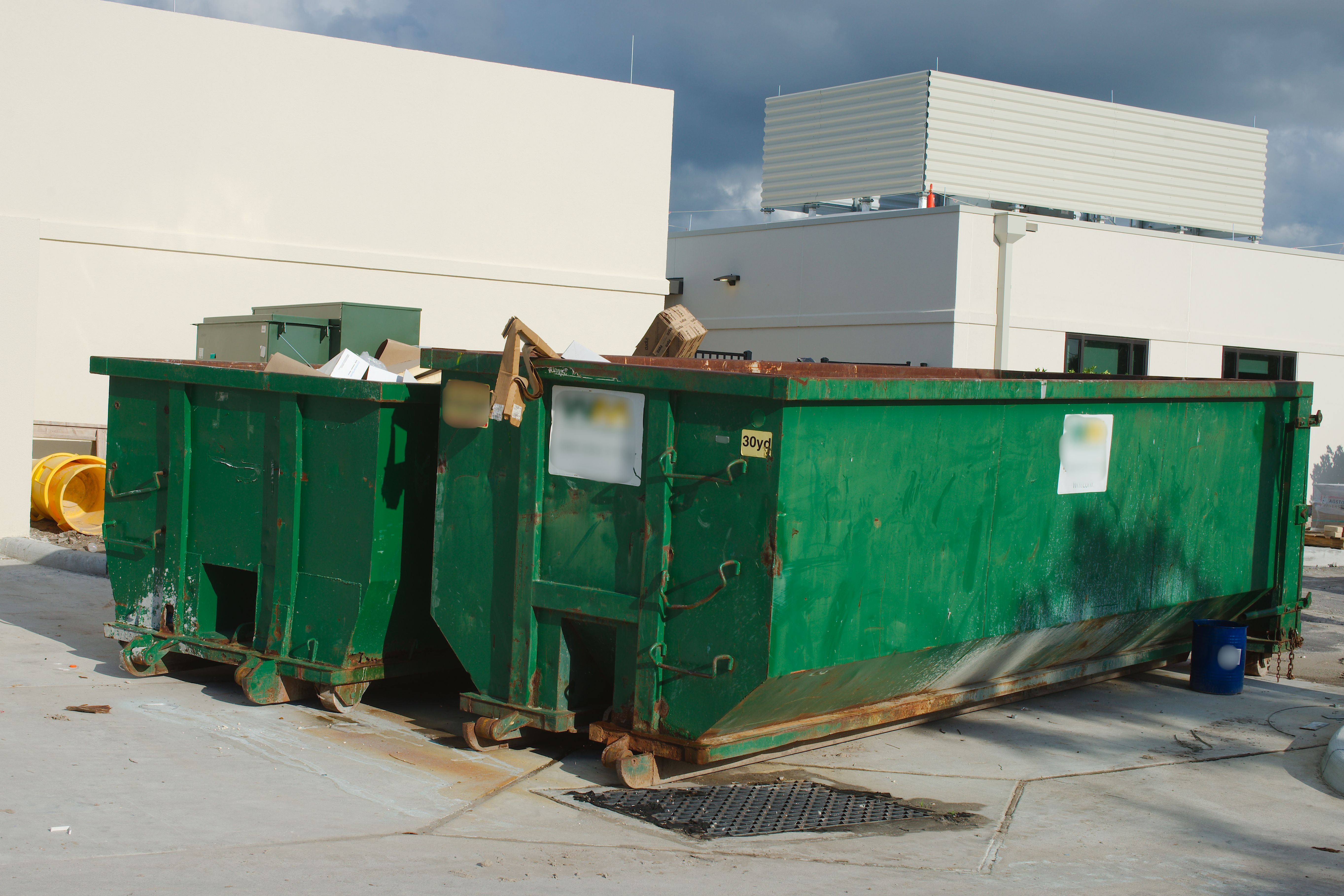
Proper waste management is vital in concrete construction. Regulations mandate the efficient handling and disposal of construction waste to prevent environmental contamination. Implementing recycling and reuse strategies can help meet these requirements and contribute to environmental sustainability.
Permits and Approvals
Securing the necessary permits and approvals is a critical step in any construction project. In Ontario, this process involves submitting detailed plans and specifications to local authorities for review. The review ensures compliance with all relevant regulations and codes.
Obtaining permits can be a complex process, but it is essential for legal construction activities. Failing to secure the necessary approvals can result in fines, project delays, and even legal action.
Inspection and Compliance
Once construction begins, regular inspections are conducted to ensure ongoing compliance with regulations. These inspections focus on various aspects, such as structural integrity, material use, and safety standards. Addressing any issues identified during inspections promptly is crucial to avoid potential penalties.
Understanding and adhering to local regulations for concrete construction in Ontario is essential for the success of any project. By staying informed and compliant, construction professionals can ensure safe, sustainable, and legally sound developments.